As part of the Sustainable Prospects module, I’m collaborating with a group of fellow MA students on a ‘live brief’ for a company that develops design, information, and wayfinding solutions to integrate people, movement and places. Their main clients are city administrations and large campuses such as universities, arenas and festivals.
We are responding to the company’s brief “What does agency look like in the context of a smart city future?”
Initial discussions within our small collaborative team of four photographers [Amy Eilertsen / Christopher “Buzz” Matthews / Marco Montalto / Gordon Sutherland] provided insight into a possible vocabulary for defining or describing agency.
I chose to collaborate on this pitch because it can also directly inform the development of my research project work which explores the concept of digital space in smart cities, which started by exploring the portals in society through which we enter the datasphere and is intended to lead to documentation, representation, and probing of life in a smart city. GS
In particular, Marco – with his background in social sciences – was instrumental in seeding our early discussions with underpinning words such as intentionality, automatism, willfulness, awareness, to name just a few.
From this collaborative discussion, we concluded that advancements in information technology are expected to become prevalent in smart cities, in particular artificial intelligence, which turned our discussions towards concepts of freedom and control. Our conclusion? Whereas artificial intelligence is developed as a benefit for humankind, it is a double-edged sword.
With these discussions in mind, my personal contribution revolved around two aspects of visual language: firstly, how other forms of visualization, such as infra-red photography, can be use to represent one or other side of that sword and, secondly, how a word cloud could help us to define a starting point for a mutually agreed concept of agency for us to work with. From the concept of a word cloud, I proposed that each of us research 5-6 images which – taken from our own understanding of the photographic language which we individually speak – we personally consider as an expression of agency.
The following images and annotation describe my contribution to that group discussion.
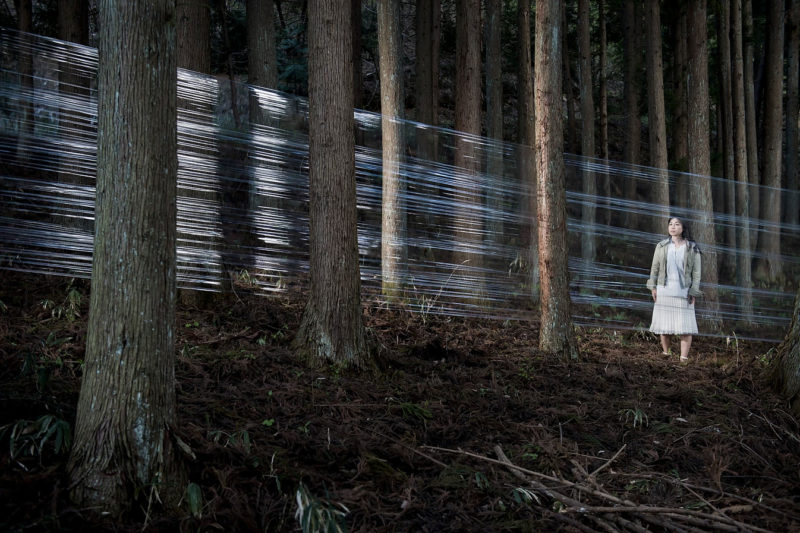
Fig. 1 Carlos Ayesta & Guillaume Bression (2011-2016). From the series ‘Bad Dreams?’
One of the challenges of finding a visual vocabulary for agency, or indeed anything which cannot be seen or felt, is to make the invisible become visible.
In their series Bad Dreams? (Fig. 1) Carlos Ayesta & Guillaume Bression asked how they could “depict something not seen or felt” [Thessaloniki Museum of Photography 2018: 124].
“Instead of adopting a documentary approach to this project, we decided to stage the photographs using plastic bubbles and cellophane wrap to reveal the ‘invisible’. Here, fiction reveals reality, not vice-versa.” Carlos Ayesta & Guillaume Bression (idem)
With this project, Ayesta & Bression are asking former occupants of Fukushima to come face to face with the invisible barriers that prevent them from returning home, and for whom “the affected communities, countryside and forest are actually divided between those now accessible and those to which entry remains prohibited (idem).
Abstractly, however, this has connotations for agency and wayfinding, regarding where and how you are guided to where you may go, or away from areas where you cannot go.
“Considering the invisible digital blocks and nudges that could direct human flow and shape decision making processes, and hence shape human agency in the smart city, I imagined physical representation of wayfinding through installations. This concept emerged as a natural parallel to the imaginary digital cloud I had introduced for my series ‘The Broken Places’ (Sutherland 2019).” GS
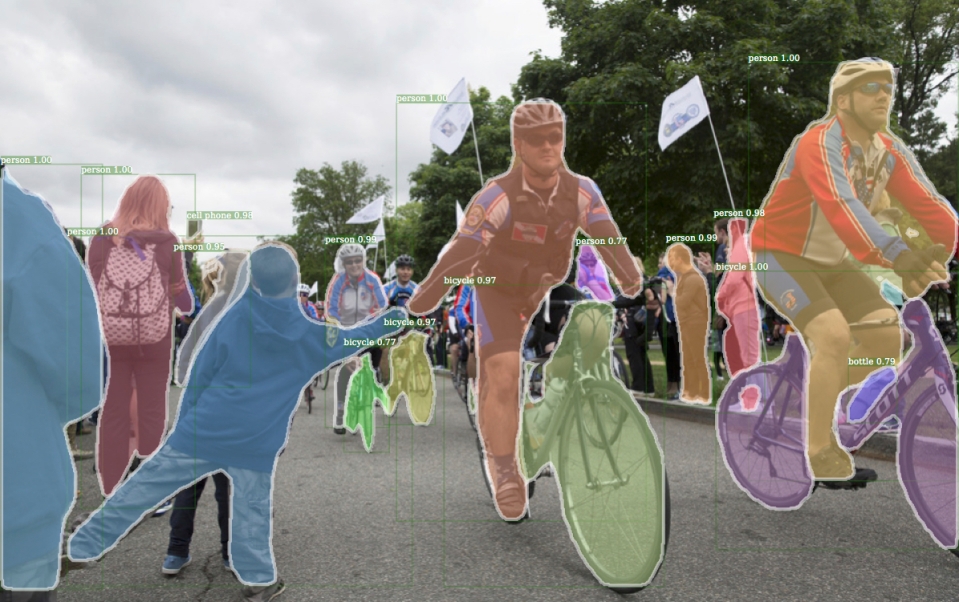
Fig. 2 Photographer uncited. Date unknown.
Contemporary street photographer Eric Kim manages to stir emotions and cause debate around both his photography and his commercial success. Kim is prolific, vocal and visible. An online search for ‘eric kim photographer’ will produce a mixture of comparisons with Gilden and Parr, accompanied by vocal rants and raves about Kim’s work and his success (Quillinan n.d.).
Kim uses social media and open source information to communicate his vision of photography and lifestyle, as well as delivering workshops at academic establishments or in global locations [Kim 2019a]. In terms of sustainable prospects, Kim makes a living from photography by commercializing a niche [Kim 2019b].
However, his work and writings are not purely commercial, but also topical, as well as philosophical.
In his article on photography and artificial intelligence he reflects on the future of humanity (Kim 2018) and what could otherwise be called a “comingled evolutionary path” (Prabhackar 2017) between humans and machines, as the distinction between humans and machines becomes imperceptible.
Kim explains that his interest lies in “how we can use computer vision (how computers see images, objects, and the real world) to augment (increase) our own human vision- to see the world more vividly, and to ultimately make better photos.” (Kim 2018). Within his post he considers the idea of image segmentation technology (Fig. 2) as one of the ways in which computers see.
In considering image segmentation, I imagined what the application of colour theory could means in terms of human agency. The breakdown of the spectrum of colour as a visual marker of individualism, collectivism, collaboration, support, ecology, health, spectatorship, participation, to name a few of the inclusive elements that can be imagined as benefits of a future smart city lifestyle. GS
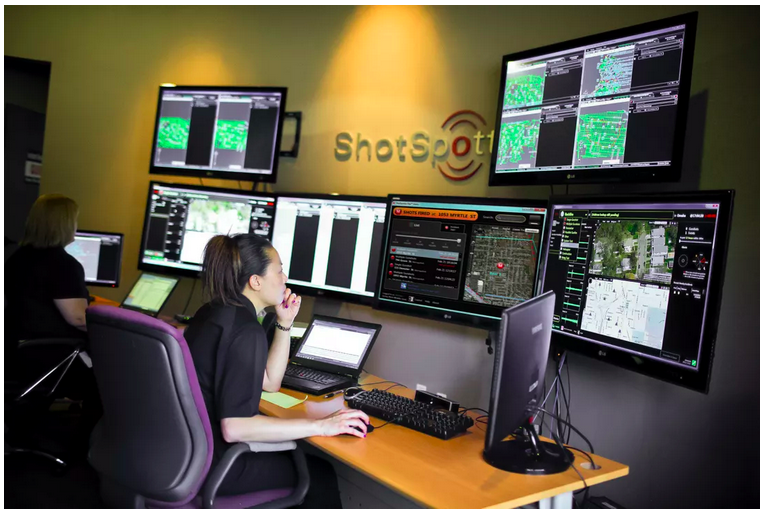
Fig. 3. Annie Tritt – The New York Times. 2012. Shotspotter Headquarters, California
Photographer Annie Tritt established herself through photojournalism, today focusing more on portraiture in entertainment and arts, corporate portraiture, as well as social and personal projects, such as ‘Transcending Self’ which explores transgender and gender expansive youth.
Tritt’s clients have included Billboard, Hollywood Reporter, New York Times, Wall Street Journal, Paper, INC, Fortune, Backstage, London Guardian, London Telegraph, Fader, M Le Magazine du Monde, Wired Italy, Der Spiegel, Stern, Interscope Records, Sony Records (Tritt n.d.).
The photographer, author and publishing executive Rick Smolan orchestrated over 100 photographers and researchers to collate the images for “The Human Face of Big Data”, a book which uses photography to visualize how “life is changing in a world filled with a never-ending stream of data”. Smolan has remarked that “big data will have a bigger effect on humanity than the Internet” since data allows for anticipation and problem solving through knowledge about the world (Sloan 2012).
One of Tritt’s images for The New York Times, depicting a monitoring station for the Shotspotter system, is included in Smolan’s book (Fig. 3). Shotspotter uses acoustic sensors located around neighborhoods to record the blasts of gunshots. The system triangulates the sounds, pinpointing the sources of the blasts on a map, thus helping authorities to rapidly locate crime scenes. Using the information from the sensors, high-speed telecoms and number crunching, the staff at the company’s headquarters can remotely pinpoint the shots to a precise location in seconds, so that “instead of police arriving on the scene a half-hour later, they can be there in under two or three minutes”. (ITBusiness 2013).
Tritt’s image (Fig. 3) is representative of how authorities in highly digitally connected societies can use data flows to adapt public services and infrastructure to the dynamics of city life: it is a photo-documentary approach to raising questions around human agency and the role and responsiveness of city administrations and public authorities.
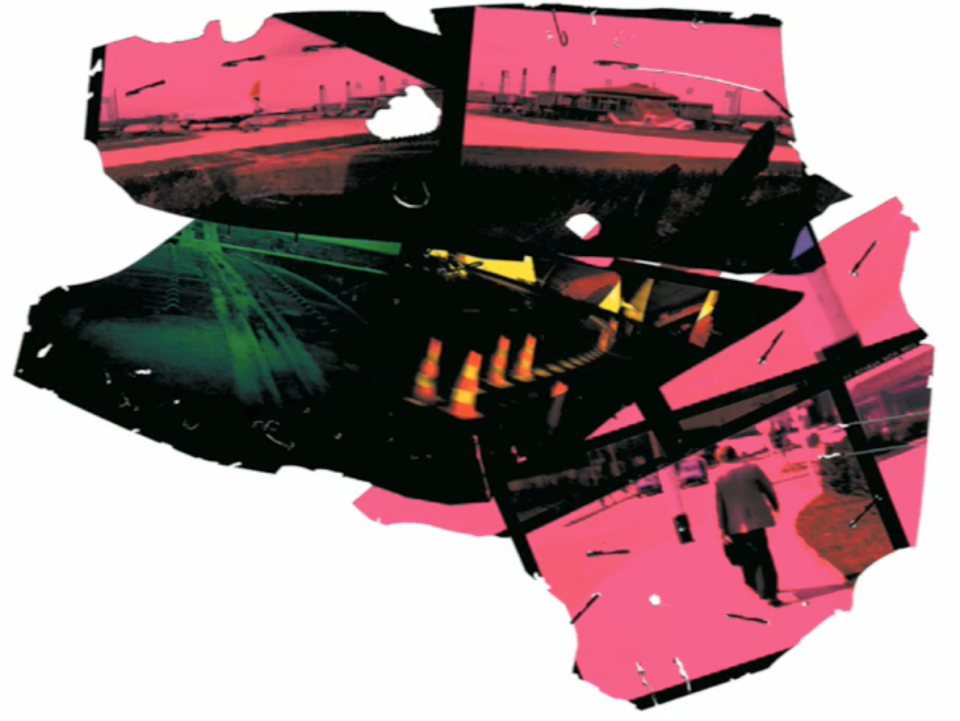
Fig. 4. Tom Drahos (1986). From the series ‘Paris suburbs, peri-urban spaces of the Paris region’
Photographic commissions in the form of preservation photography visually document an epoch. In a country characterized by innovation and industrial development, indeed a country which is one of the multiple birthplaces of photography, the French Délégation à l’Aménagement du territoire et à l’Action régionale (the Inter-ministerial Town and Country Planning and Regional Action Delegation) dispatched 29 photographers of different photographic slants into the field to “document the French landscape of the 1980s” (Bibliothèque nationale de France n.d.).
Commonly known as The DATAR Photographic Mission, it was a descendent of the great photography missions such as the 1851 Heliographic Mission and the 1935-1942 Farm Security Administration’s portrayal of the Great Depression (idem).
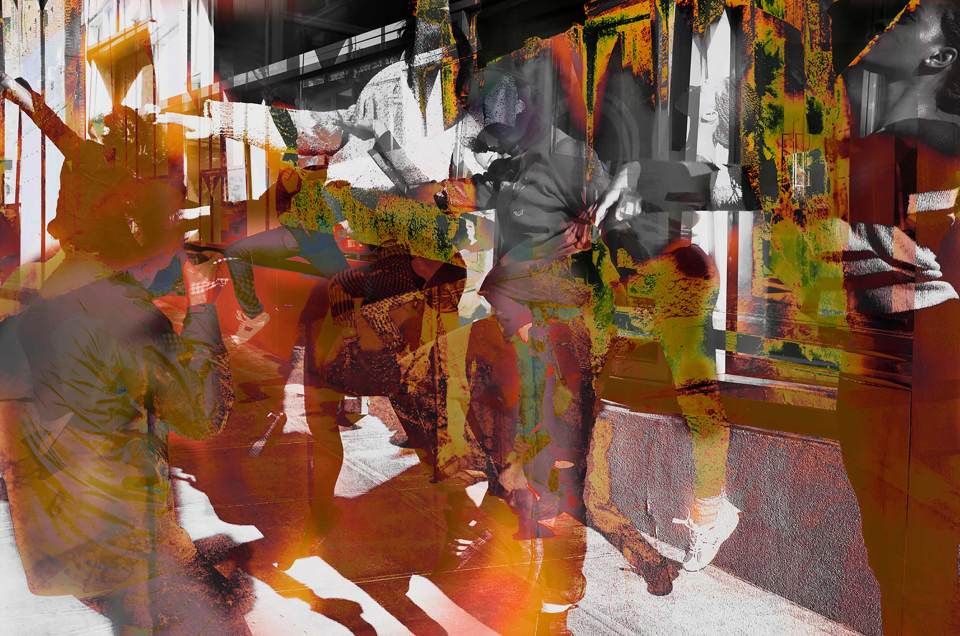
In representing the cityscapes of the Paris suburbs, Czech photographer Tom Drahos presented an alternative vision of these urban landscapes, “anchored in time, but free floating in space” (idem). His concept of framing space, but not the compositional image itself, reveals an exploded landscape that refers at once to the multi-foiled individual experiences of the urban landscape, as it does to the co-existent societal perspectives. Each of these perspectives holding its own truth. GS
This concept of co-existence of viewpoints and experience resonates closely with the dynamic promised by technology in smart cities, touching again on the key words identified such as individualism, collectivism, awareness and conscious decision making.
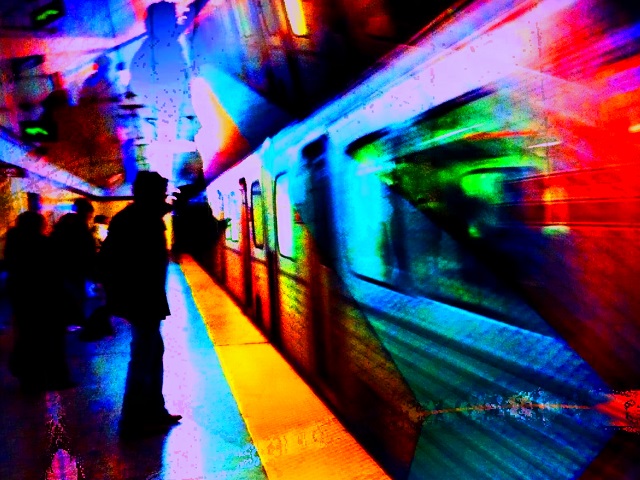
Fig. 5 Tommy Vohs. Date unknown. From the series ‘In Transit’
“I took to iphoneography like batter on a fish stick…a cohesive relationship only made stronger over time. It was natural and free flowing and came at a time in my life when I needed a distraction” Tommy Vohs (Carter 2012)
Vohs is a railroad careerist turned mobile photographer and has exhibited extensively in Canada where she resides (Idem). Vohs maintains her career on the railroads as well as exhibiting and selling her limited edition prints which are characterized by layers and saturated colours. Her images have been awarded in the field of mobile, iphotography and iPhoneart (Vohs n.d.).
I discovered the work of Tommy Vohs through Smart Cities Dive, part of Industry Dive (Industry Dive n.d.), a private sector business journalism platform that helps decision-makers stay ahead in competitive industries to spark innovation and growth in industry. GS
Smart Cities Dive researches visual material to “find photos that fit our content, reflect the human content of our work, and are dynamic, colorful, interactive, transformational, local, natural, and realistic, too” (SMARTCITIESDIVE n.d.).
As a business provider, Smart Cities Dive Managing Editor (formerly TheCityFix) identified the innovation in Vohs work and how it met their vision in terms of communicating the spirit of integrated mobility, a key component of smart city developments, with the likes of multi-modal integration of mass transport, cycling and walking. The use of Vohs’ work in editorial context is an example of corporate culture using art as a business media content.
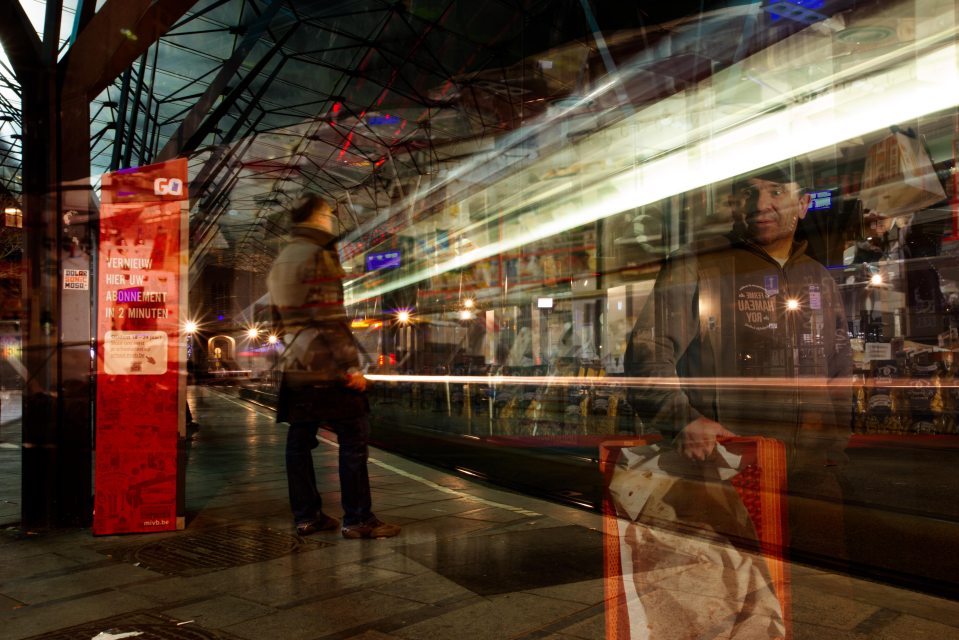
“Vohs’s photography exemplifies this necessity for shared streets that cater to the needs of road users across diverse modes of transport. With an emphasis on public transport, Vohs’s work often features double exposures that juxtapose everyday scenes of urban mobility with bold color schemes.” Smart Cities Dive Managing Editor (idem)
The images presented in this post are taken from a series of images I put forward to inform our collaborative group work whilst we explored our individual ideas on the visual ‘definition’ of agency in the smart city of the future.
Each of them is representative of perspectives as seen by different practitioners, whether those working on commercial street photography, photo-documentary, art photography or commissioned preservation photography. These photographs represent the editorial use of photographic image from the perspective of research into social sciences and humanities or commercial business interests. As such, they represent aspects of the sustainable prospects of the individual practitioners.
In parallel, the images were selected to directly inform the development of my research project work exploring the concept of digital space in smart cities, which started by exploring the portals in society through which the population enters the datasphere, and is intended to lead to documentation, representation, and probing of life in a smart city.
Sources
Carter, J. (2012) A Day in the Life of Tommy Vohs – An Intriguing, Liberating and Inspiring Mobile Photographer. Available at https://theappwhisperer.com/2012/11/a-day-in-the-life-of-tommy-vohs-an-intriguing-liberating-and-inspiring-mobile-photographer/ [Accessed 6 October 2019]
EMBARQ Network https://www.smartcitiesdive.com/ex/sustainablecitiescollective/friday-fun-photographer-captures-spirit-integrated-transport/219991/
Industry Dive (n.d.) About Industry Drive. Available at https://www.industrydive.com/about/ [Accessed 6 October 2019]
ITBusiness (2013) 11 amazing images show ‘The Human Face of Big Data’. Available at https://www.itbusiness.ca/slideshows/11-amazing-images-show-the-human-face-of-big-data [Accessed 6 October 2019]
Kim, E. (2018) Brave New World of Photography and AI. Available at https://erickimphotography.com/blog/2018/09/24/brave-new-world-of-photography-and-ai/ [Accessed 6 October 2019]
Kim, E. (2019a) Eric Kim Workshops. Available at https://erickimphotography.com/blog/workshops/ [Accessed 6 October 2019]
Kim, E. (2019b) Photography Entrepreneurship Tips and Ideas. Available at https://erickimphotography.com/blog/2019/07/16/photography-entrepreneurship-tips-and-ideas/ [Accessed 6 October 2019]
Prabhakar, A. (2017) The merging of humans and machines is happening now. Available at https://www.wired.co.uk/article/darpa-arati-prabhakar-humans-machines [Accessed 6 October 2019]
Quillinan, B. (n.d.) Is Eric Kim full of sh*t? Available at https://onedgestreet.com/is-eric-kim-full-of-sht/ [Accessed 6 October 2019]
SMARTCITIESDIVE (n.d.) Photographer Captures Spirit of Integrated Transport. Available at https://www.smartcitiesdive.com/ex/sustainablecitiescollective/friday-fun-photographer-captures-spirit-integrated-transport/219991/ [Accessed 6 October 2019]
Sutherland, G. (2019) Beyond the broken places. Available at https://gordonsutherland.home.blog/2019/06/05/05-06-19-beyond-the-broken-places/ [Accessed 6 October 2019]
Sloan, P. (2012) Big data gets its own book: ‘The Human Face of Big Data’. Available at https://www.cnet.com/news/big-data-gets-its-own-book-the-human-face-of-big-data/ [Accessed 6 October 2019]
Thessaloniki Museum of Photography (2018). Capitalist Realism: Future Perfect, 28/09/2018 – 27/01/2019 (Curated by Penelope Petsini). Thessaloniki: University of Macedonia Press. ISBN-978-618-5196-35-6
Tritt, A. (n.d.) Website of photographer Annie Tritt. Available at (http://www.annietritt.com/ [Accessed 6 October 2019]



 Gordon Sutherland - Photography Research Journal