Tag Archives: Visual Culture

23.08.19 > Joining the dots to reveal the photographer

In looking for a way forward for my art photography I need to step outside of my comfort zone, deconstruct myself, and understand – and explain – how I arrive at my visual artistic expression. How do I start from a theme, a concept, then move through exploration of subject matter, techniques and perspectives (further still explore my response to life), so as to arrive at the final emergent artwork: aka my artistic strategy.

My artwork unfolds into its photographic self on a support – a surface – whether that be the printed image hanging in a gallery, in a photobook, on advertising billboards, as a presentation during an artist talk or workshop, shown as a poster, as a projection, on digital screens, or as holograms: aka my chosen artistic surface.

In The Surfaces and Strategies of my Photographic Practice (August 2019) I attempt to explain and critically analyse how my photography fits together.

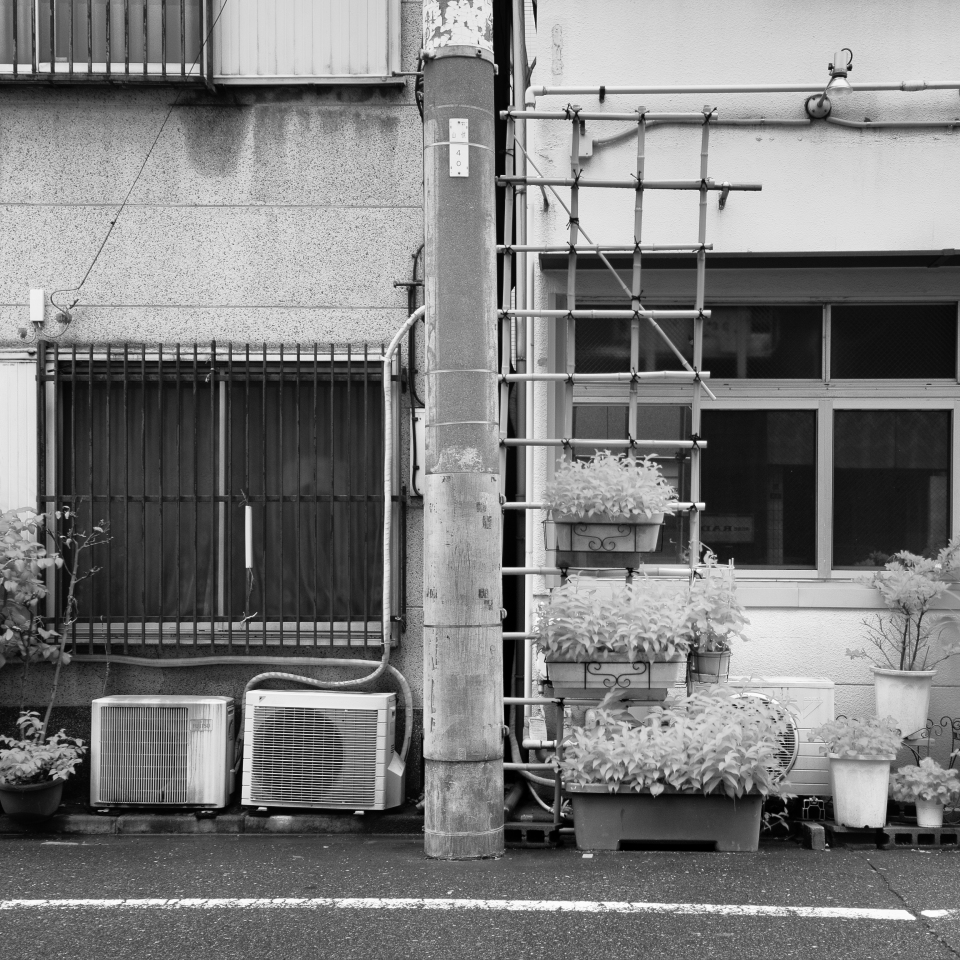
Asakusa #1 Blended B&W

Asakusa #1, Sunday 7 July 2019, Asakusa, Tokyo (© 2019 Gordon Sutherland)

22.07.19 > Becoming camera and the unfolding image

During my stay in Tokyo in July, I started to explore the concept and meaning of becoming camera, allowing my shoulder mounted camera to record my search for each unfolding image.

The experience has taken me on a new journey, as I start to wonder how the camera itself sees humanity, and how intelligent machines view the world.

The images below mainly unfolded from my direct artistic intervention, the final one from a collaboration between my shoulder and the camera, as we approached each other.

Photographer becomes camera, and camera becomes photographer.

All-focus

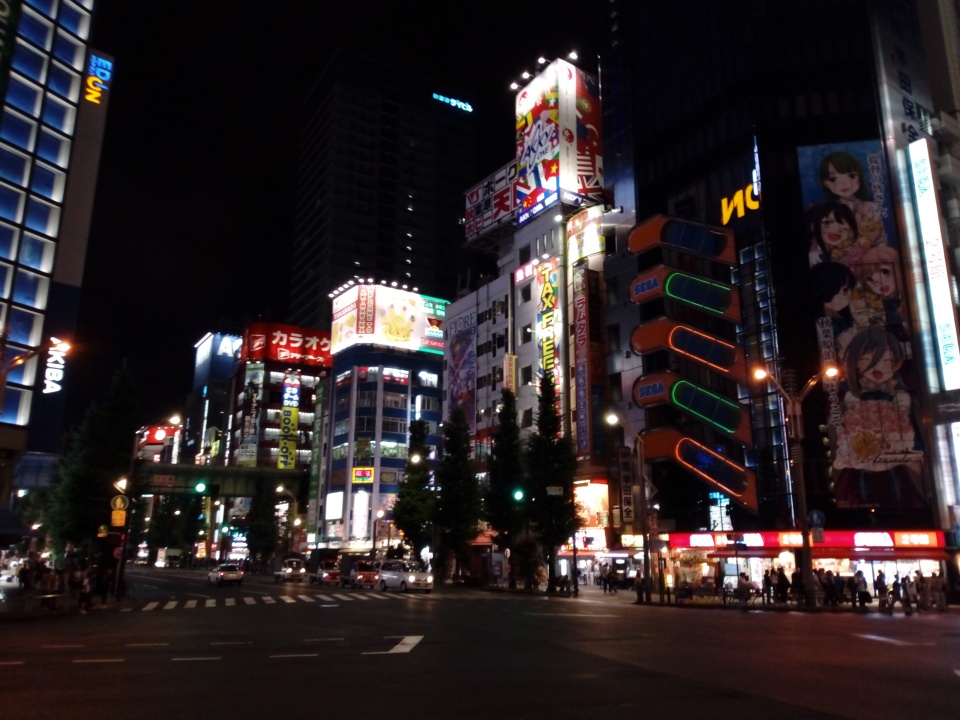
Fig 1: Electric Town, Akihabara, Tokyo (Scouting image in the visible spectrum)

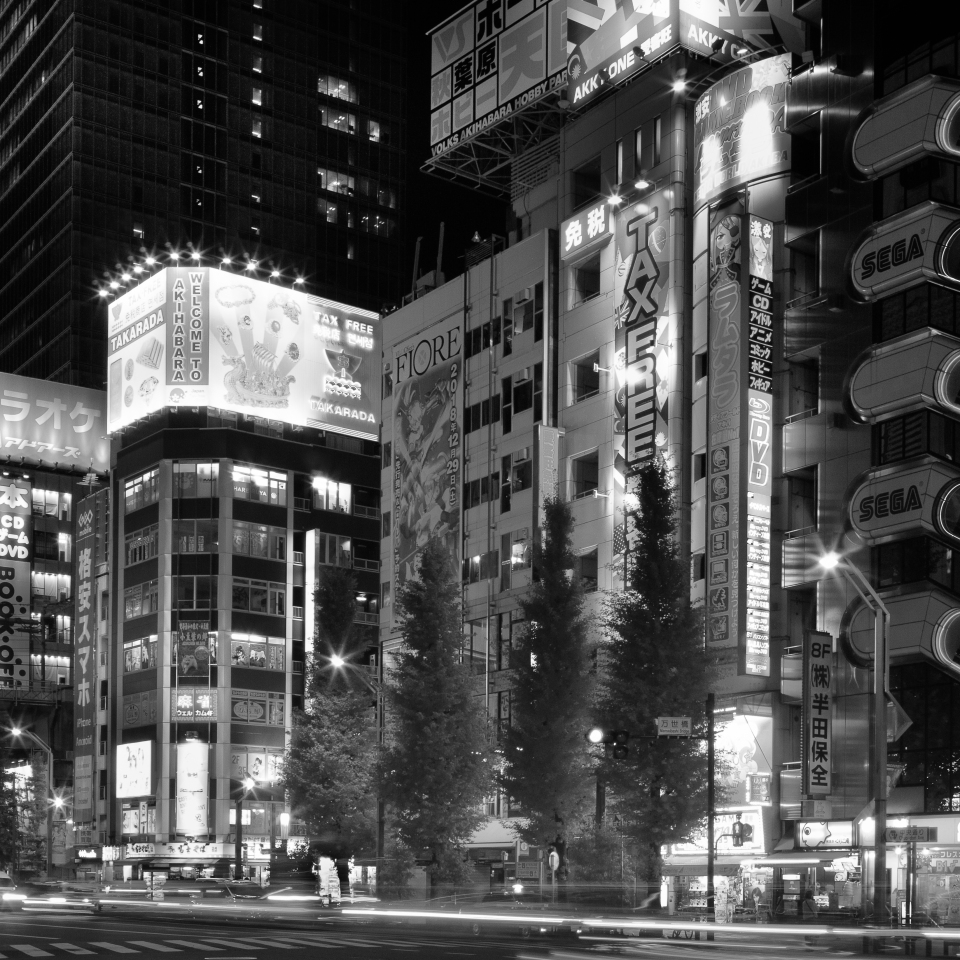
Fig. 1 is my scouting image for the blended spectra image below (Fig. 2) which questions the space between nature and the cityscape in which trees appear unnatural. As I took the image, my body mounted camera recorded the scene.

Akihabara Blended B&W

Fig. 2: Akihabara #1 (Electric Town)
Wednesday 17 July 2019, Akihabara, Tokyo © 2019 Gordon Sutherland

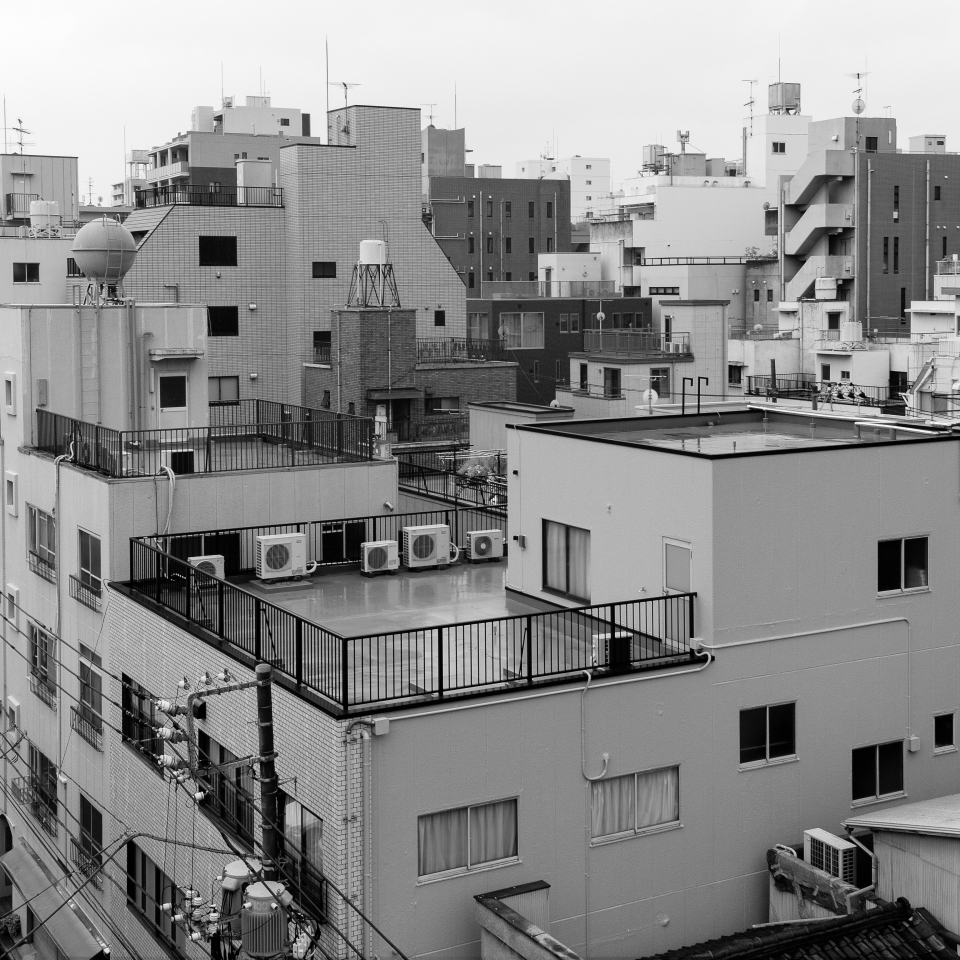
As I searched Tokyo’s back streets in quest of ‘the space between’, I remained transfixed by the fact that none of the buildings in the city actually touch each other, and allowed the my mounted camera record the quest of the photographer’s curiosity.

Ueno & Asakusa Blended B&W

Fig. 3: Ueno #2, Friday 19 July 2019, Ueno, Tokyo © 2019 Gordon Sutherland

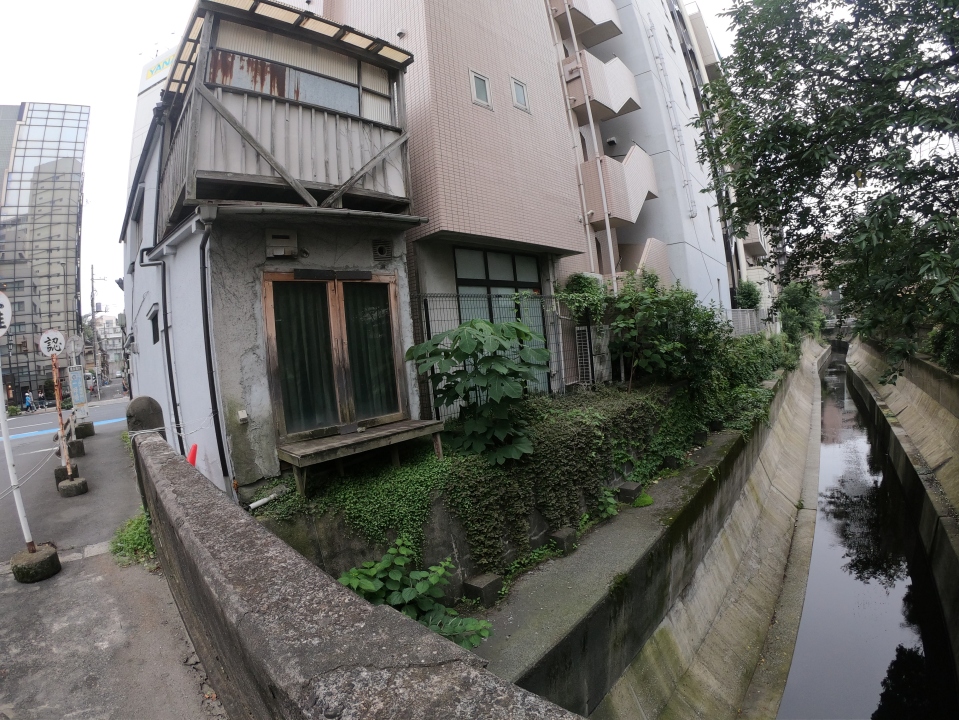
Whilst towards the end of my stay, I started to collaborate with the body mounted camera and we registered images together (Fig. 4), as I became camera, and the camera became photographer during my photographic pilgrimage to find Naoya Hatekeyama’s River Series.

DCIM100GOPROGOPR0123.JPG

Fig. 4: Shibuya River, Monday 22 July 2019, Shibuya, Tokyo © 2019 Gordon Sutherland / GoPro Hero 7 Black

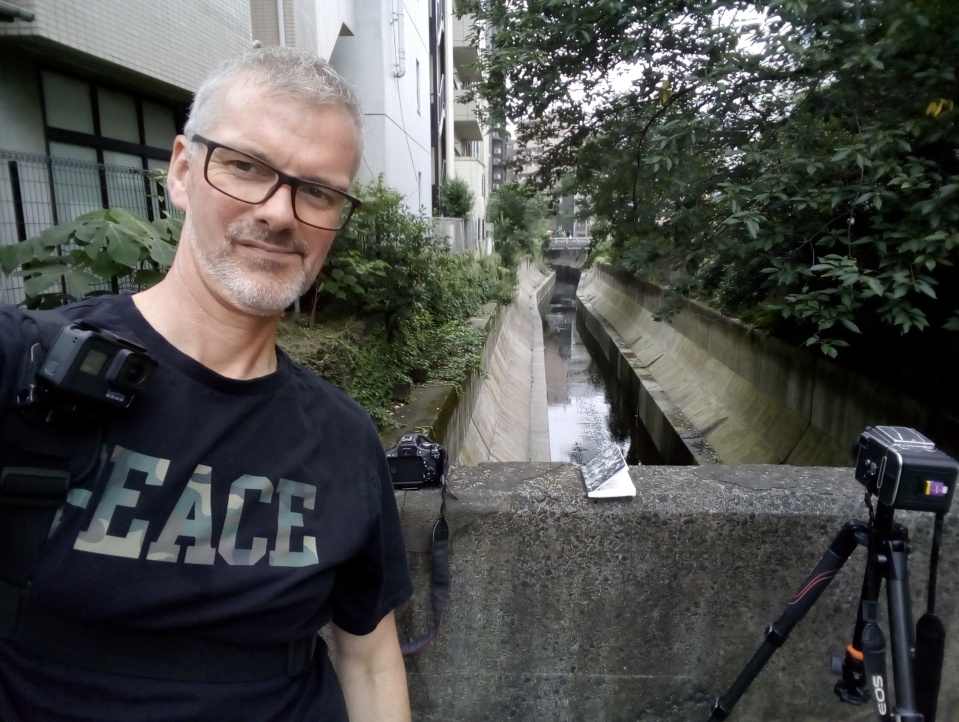
IMG_20190722_131446

Fig. 5: Four Cameras & one Notebook, Monday 22 July 2019, Shibuya, Tokyo

14.02.19 > Becoming Other

As I work towards a photography project that invites dialogue on the datasphere as an alternative space of existence, I plan to travel to Tokyo to explore the visualization of digital connectivity in one of the most densely constructed and populated megacities on the planet. My starting point is to tentatively explore Japanese culture, art and photography, and how they have been informed both domestically and by external cultures.

Japan and its culture remain an intrigue for Western Society. In the first of a three part series addressing art and aesthetics in Japanese culture (The Art of Japanese Life: Nature, 2017) the embodiment of the religious beliefs of Shintoism and Buddhism within the Japanese aesthetic are explored by art historian, and fellow at Gonville & Caius College Cambridge, Dr. James Fox (University of Cambridge, 2019).

Reflecting on the role of nature within these two religions, Fox considers that every aspect of life in Japan is driven by aesthetics. Even if Shintoism itself has not produced a legacy of art such as that emanating from the Christian religions of the West, the essence of the religion is so firmly embedded in the Japanese aesthetic that it pervades Japanese art.

The world of Shintoism is inhabited by the Kami, spirits – both good and bad – that live in everything organic and inorganic, or as Fox states, “for Shinto, the world is endlessly animated by the divine” (The Art of Japanese Life: Nature, 2017).

This concept of eternal existence is extended in Buddhism by the belief in incarnation whether as the living or inanimate, and parallels with these ancient religions can be found in contemporary philosophical studies, such as in Felix Guattari’s unfinished concept of ecosophy which would allow for a rethinking of the nature of being. A dissolution of self by becoming-other is at the heart of Guattarian (and Deleuzian) ecosophy, in opposition to an expansion of self through identification (Tinnel 2012: 359).

Just as the Japanese accept that life pervades everything, in whatever form, it is at today’s juncture of the ecological crisis and the pervasiveness of digital media associated with the information age, that a Guattarian thinking could point towards alternative domains or “transversal eco-humanities, which would be rhizomatically rooted in autopoiesis and becoming-other” (idem: 357), but “without assigning humans, nature or culture a fixed role or place in the production of subjectivity” (idem: 362). In questioning this, is Tinnel’s extension of the unfinished theory of ecosophy suggesting the possibility of existence in other form? Digital form? And how could such alternative digital spaces be visualized when we look at them through the filter of the human condition? Further, if we enter a digital space which exists only in the information age, do we become less human?

This bridge between religion and philosophy within the context of ecosophical – as opposed to ecocritical – thinking is at the heart of my visual exploration of otherness. The dominant physical infrastructure and prevalent, but juxtaposing, digital connectivity in Japan offer an avenue for photographic exploration of otherness outside of the Western media filter.

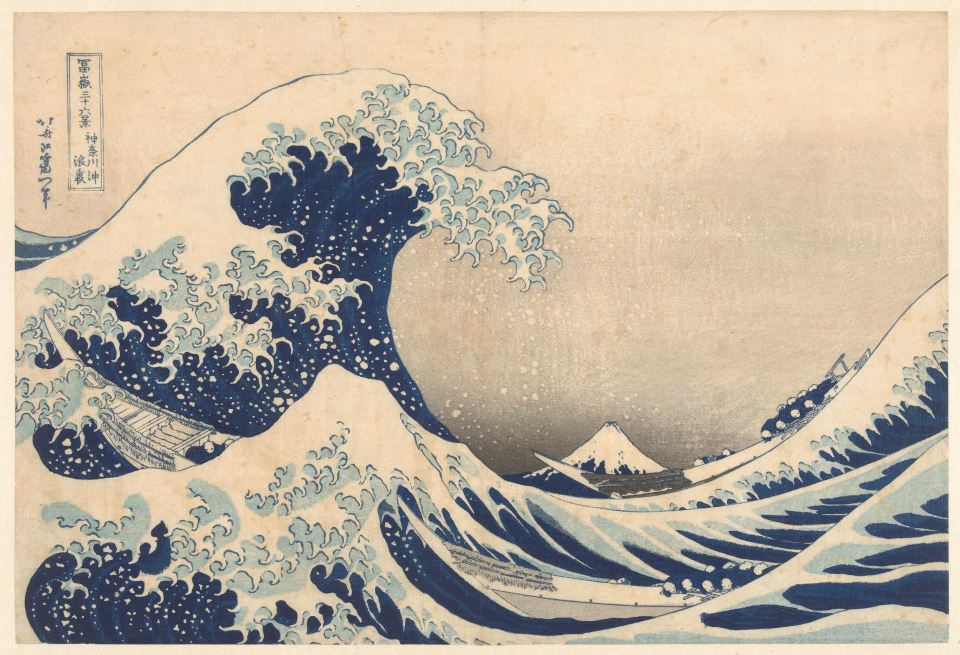
Returning then to the Japanese aesthetic, an exploration of the universal divine animation in Japanese photography would have to take as its starting point the development of the Japanese aesthetic, in particular the Japanese culture of visualization. With ‘The Splashed Ink Landscape’ (1495), Sesshū Tōyō expressed an abstraction of nature some 300-400 years before the advent of abstraction of landscape art in the west, whilst consideration of the Japanese reading of art from right to left will reveal to the uninitiated western eye insights into the semiotics of the imagery. In reading Hokusai’s The Great Wave off Kanugawa from right to left (Fig. 1, also know as Under the Wave off Kanagawa, Rijksmuseum n.d.), the western interpretation of the immensity of nature’s energy is revealed in Japanese culture as the immensity of life’s challenges (The Art of Japanese Life: Nature, 2017).

Hokusai Great Wave

Fig. 1 Katsushika Hokusai, 1829-1833. Under the Wave off Kanagawa [25.4 cm x 37.5 cm, colour woodcut print on paper] (Rijksmuseum, Acquisition 1956)

This reverence for the immensity of nature in the Japanese aesthetic is balanced by a cultural fascination for the fleeting. The cherry blossom, Prunus Cerelatta, is an example of this. The national, and now global, celebration of this delicately petalled tree flower disguises the cultural melancholy that the most beautiful things dazzle for such a short time, the human condition amongst them. As Fox states, the cherry blossom is to the Japanese “a reminder that our lives also are painfully brief” (idem). The brevity of the cherry blossom offers an interesting parallel to the potential brevity of a life in the datasphere.

It is the duality of this Japanese fascination with the fleeting, combined with a cultural drive to control nature, the outcome of which is no better represented than in the Fukushima disaster, that makes consideration of otherness through a Japanese perspective central to my work on visualizing other forms of existence in the information age.

In his consideration of the art of Japanese life Fox reflects that “in Japan nature is ignored at one’s peril” (The Art of Japanese Life: Nature, 2017). That we should ignore our own ‘nature’ through dissolution of the human condition to a digital existence is surely perilous and worthy of dialogue, visual dialogue included.

Sources

Rijksmuseum (n.d.) Under the Wave off Kanagawa. [Online]: http://hdl.handle.net/10934/RM0001.COLLECT.45735. Available at https://www.rijksmuseum.nl/en/collection/RP-P-1956-733 [Accessed 9 February 2019]

The Art of Japanese Life: Nature (2017) BBC World, 19 January 2019. 10:10 CET. Part 1 of a series produced and directed by Ben Harding. BBC Studios, Pacific Quay Productions, Scotland.

Tinnell, J. C. (2012), Transversalising the Ecological Turn: Four Components of Félix Guattari’s Ecosophical Perspective, Edinburgh University Press, Deleuze Studies, 6.3 (2012): 357-388

University of Cambridge (2019) People: Dr James Fox MA (Cantab), MPhil, PhD. [Online] Available at https://www.hoart.cam.ac.uk/people/jf283@cam.ac.uk [Accessed 31 January 2019]


07.02.19 > I Am Here

In photographic intent I endeavor to reach an embodiment of otherness.

In purpose, I try – more often than not failing – to convey no message, only asking for consideration of different perspectives on the societal themes I explore. It starts with the viewer listening to the dialogue in the image, a simple invitation to join in. My images are boundaries between different points of view. They are visualizations that accommodate differing information spaces, each of these spaces a different existence. Visually I try to speak of ‘grace’, through a gaze of acceptance that strives to free itself from judgment, power and exploitation. But neither my thoughts nor my images are ever free of these burdens. The mask of acceptance that I wear creates an acknowledgment of difference. An apparent objectivity exists only in the presence of its companion subjectivity.
IMG_2698

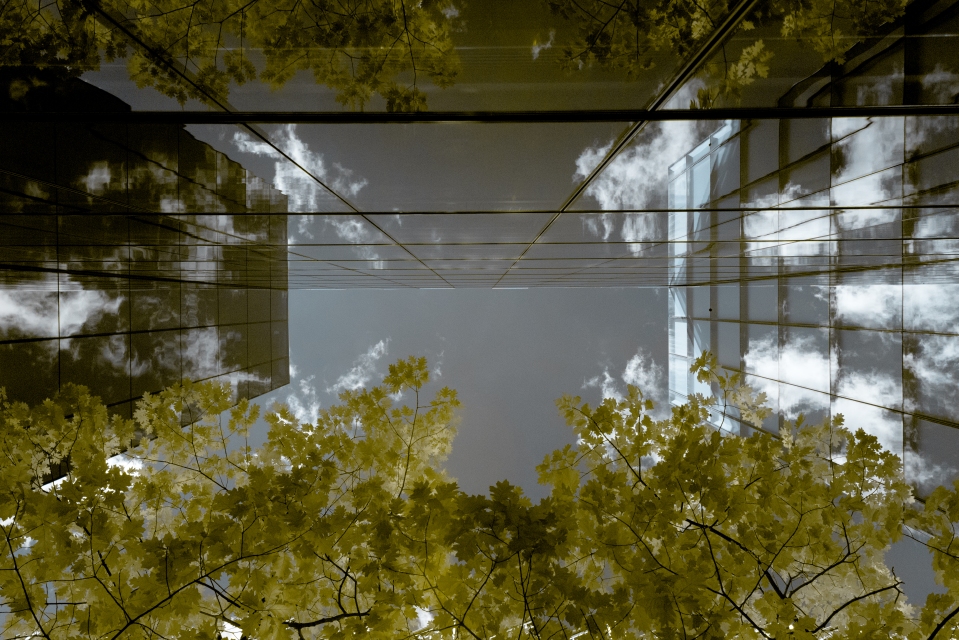
Fig. 1 Gordon Sutherland, 2018, Untitled Work in Progress. [Unpublished Digital Infra-red Photograph IR 590]

There’s no hiding from the fact, my images are grounded in the Dusseldorf School of Bernd and Hilla Becher. In approach and construction they are documentary photographs, a form of preservation photography. Everything that can be seen was there, even if my interpretation of ‘the instant’ is in itself a question: how long is an instant?

In the above image of More London (Foster & Partners) – from an unpublished mini series realized over one morning in summer 2018 – my intent was to visualise the dialogue between nature and the built environment in the context of global capitalism (Fig.1). The subject matter, perspective and compositional elements of the image release it from the power struggle between nature and capitalist development, although the overall series has a more dystopian, linear narrative on exploitation of resources in a non-circular economy. This image emerges, naturally, at the mid-point of the narrative.

I work at the crossover between architectural photography, social documentary and fine-art photography exploring buildings and infrastructure as an art-motif for awakening social conscience. My approach is influenced by many photographers, however the two most influential are James Welling, in particular his use of colour theory in the series Glass House, and Hélène Binet, from her embodiment of religious – arguably masonic – and cosmic motifs and references in her photographic oeuvre. The resonance of these works on my personal, indoctrinated world views emerges throughout my photographic practice, much of which is highly autobiographical.
IMG_2503-9

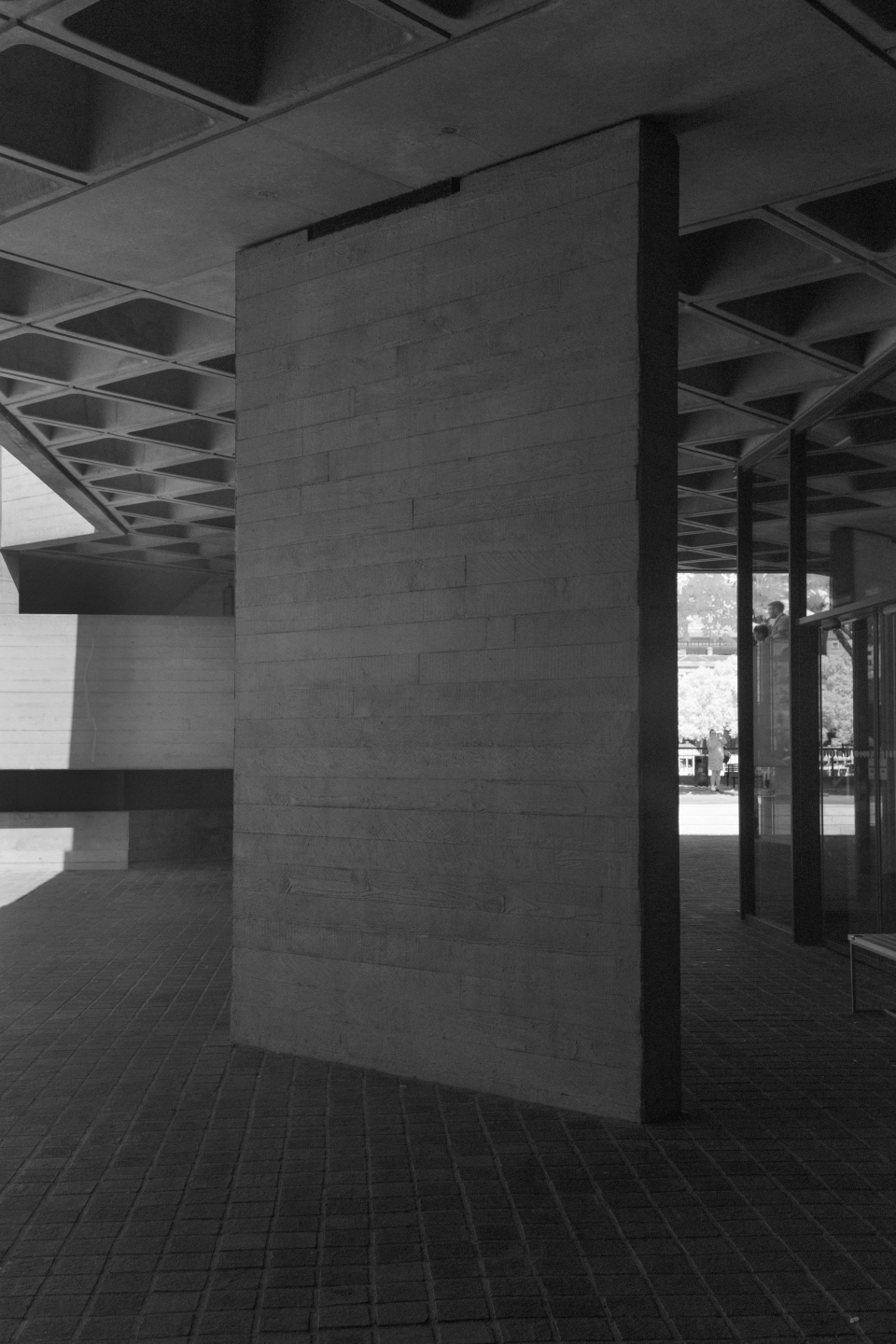
Fig. 2 Gordon Sutherland, 2018, Untitled Work in Progress, 2018 [Unpublished Digital Infra-red Photograph IR 590]

In an unpublished mini series of images taken over one afternoon in the National Theatre, London, my intent was to ask the viewer to question the intent of the – in this case brutalist – architecture. By considering the interplay between the weight of the construction material and the diffusion of light into ‘spaces’ encumbered by inertia I ultimately explore greater themes: how theatrical work can pose questions around prevailing cultural norms. In this image at the entrance to the theatre, ‘lightness’ and ‘heaviness’ are given equal space within the image, the concrete pillar almost floating between the two (Fig.2). For the viewer who is interested, both in the architecture itself and in its photographic representation, there emerges an intentional dialogue on the role of theatre in balancing the forces at play within a cultural hegemony. The series is conceived as a linear narrative, in the tradition of architectural photography traceable from the current day to Frederick H. Evans body of work in the late 19th Century.

Midday Hand Blended-7

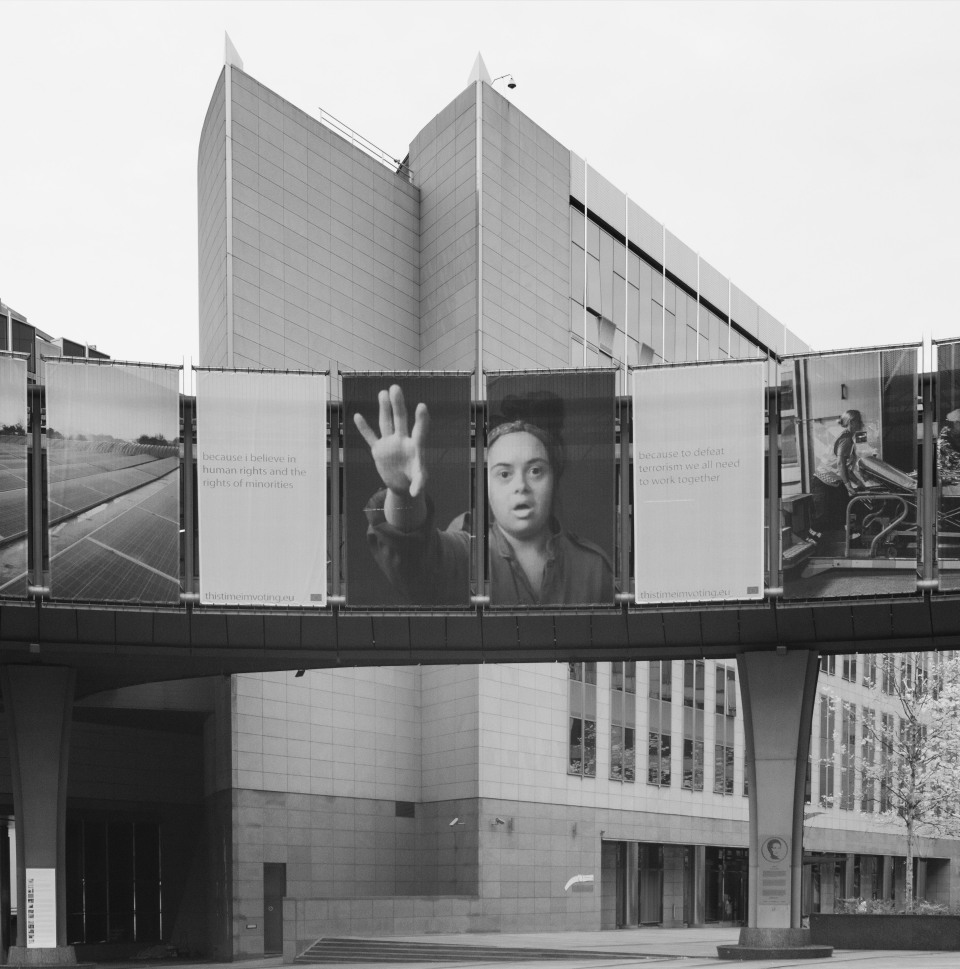
Fig. 3 Gordon Sutherland, 2018, Agora Simone Veil & the Willy Brandt Building, European Parliament Complex, Brussels. [Unpublished Digital Blended Spectra Photograph]

In the unpublished series this time I’m voting I carried out a photographic enquiry of the interplay between architecture, surveillance and technology in the public space of the European Parliament Complex in Brussels, Belgium. The series informs my final major project with working title ‘The Digital Divide’ which interrogates the human condition in face of the information age, in particular the concept of digital existence within smart cities. The image of the central square of the European Parliament Complex in Brussels (Fig.3) explores the power play between institutions, media, surveillance and the individual. The objective stance belies the photographic intent of the image which depicts the possibility of a dystopian future in which people constitute controlled and surveyed media in the public space. As such the image veers towards monologue than dialogue and, as the rest of the series, is a departure from my normal photographic practice.
IRR-2017-032-8492 Braigh Craobhach

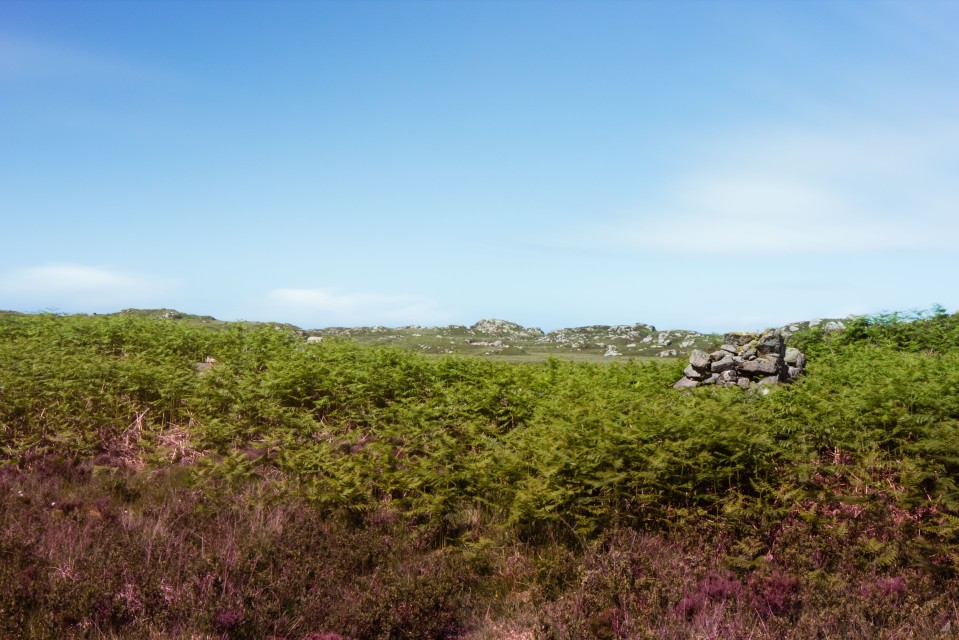
Fig. 4 Gordon Sutherland, 2017, Braigh Craobhach [75 x 50 cm (30 x 20 in.) fine-art giclée inkjet pigment print] (Private Collection, Athens)

From the series Another Path (Sutherland 2017) the image Braigh Craobhach (Fig.4) is distinctly representative of my photographic intent. Using acrylic filters and photographic gels in the naturally occurring colours of the Inner Hebrides in Scotland, combined with long exposure photography, I aimed to deconstruct the processes of encroachment in the villages of the Highland clearances. The series has a linear narrative which develops according to the extent of the encroachment.
GS07 IRR-2018-009-1080 Knightswood Flats

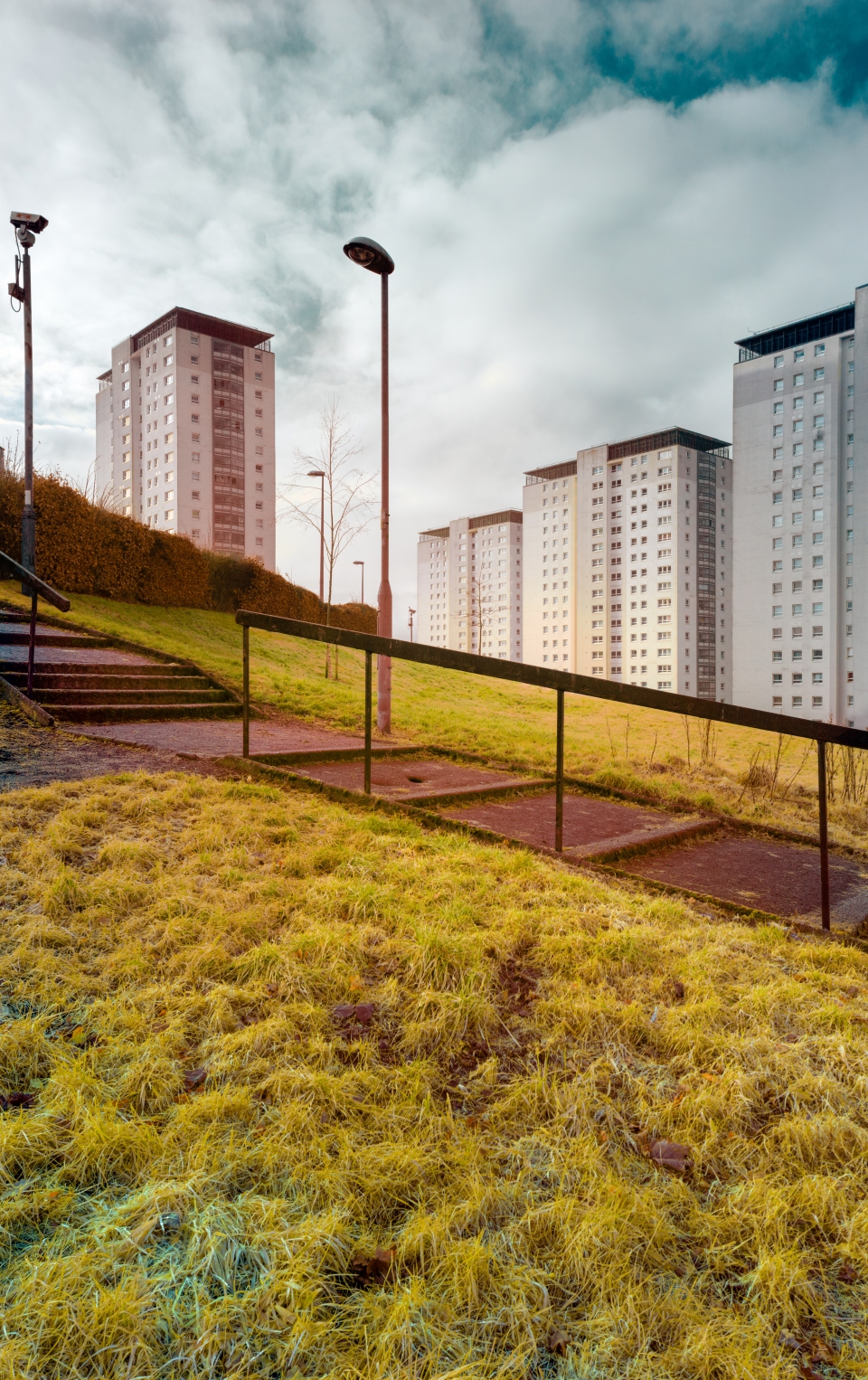
Fig. 5 Gordon Sutherland, 2018, Knightswood Flats, Glasgow [60 x 90 cm (23.6 x 35.4 in.) fine-art giclée inkjet pigment print] (Private Collection, Brussels)

From the series Looking for Daylight (Sutherland 2018) the image Knightswood Flats, Glasgow (Fig.5), is typical of my photographic intent as an invitation to dialogue. In this case a discussion into the relationship between people, the built environment, modern day infrastructure, and the natural environment. The objective stance in the image belies the message given by the compositional elements and their relative placing within the image. The series Looking for Daylight can be read either as a linear narrative depicting the history of architecture in Glasgow, or seen in their post modern non-linear narrative they constitute photographic plates to illustrate the science fiction novel Lanark: A Life in Four Books by Alasdair Gray, and the two cities of Glasgow and Unthank in which it is set.

The photographic journey to here has been a development of self-expression coupled with a conviction for dialogue and acceptance without judgment. My most recent project, this time I’m voting, constituted a visible departure from that intent, with less subtle messaging. At any rate, the cultural and personal context cannot be entirely separated unless the photographer is a machine – and even that is open to debate. The image, or the photographer, remains a burden. The one does not escape the other.

The exploration of my visual voice continues through extension of Guattarian philosophy at today’s confluence of the environmental crisis and the information age. By exploring critical contextual theory and contemporary visual culture I am preparing for the next stage in informing my degree major project through exploration of surveillance and data flows in digitally connected cultures.

This exploration emerges ahead of a photography project this coming summer in Tokyo as part of the Surfaces and Strategies module.

For this reason my starting point for exploration of context and visual culture is art and religion in Japan, building on the perspectives and photographic practice already explored from my very own, personal western perspective.

Sources:

Sutherland, G. (2017) Another Path. [Online] Available at http://www.irrationalangle.com/another-path/ [Accessed 7 February 2019]

Sutherland, G. (2018) Looking for Daylight. [Online] Available at http://www.irrationalangle.com/looking-for-daylight/ [Accessed 7 February 2019]